Construction sites rarely look ready for use the moment builders finish their work. Dust coats nearly every surface, scrap materials hide in corners, and floors collect layers of debris from weeks of activity. Professional cleanup happens in stages, and each stage serves a different purpose. Understanding the difference between rough cleaning and fine detail cleaning explains why both steps matter before a building truly looks finished.
Rough Cleaning Removes Large Debris and Leftover Materials
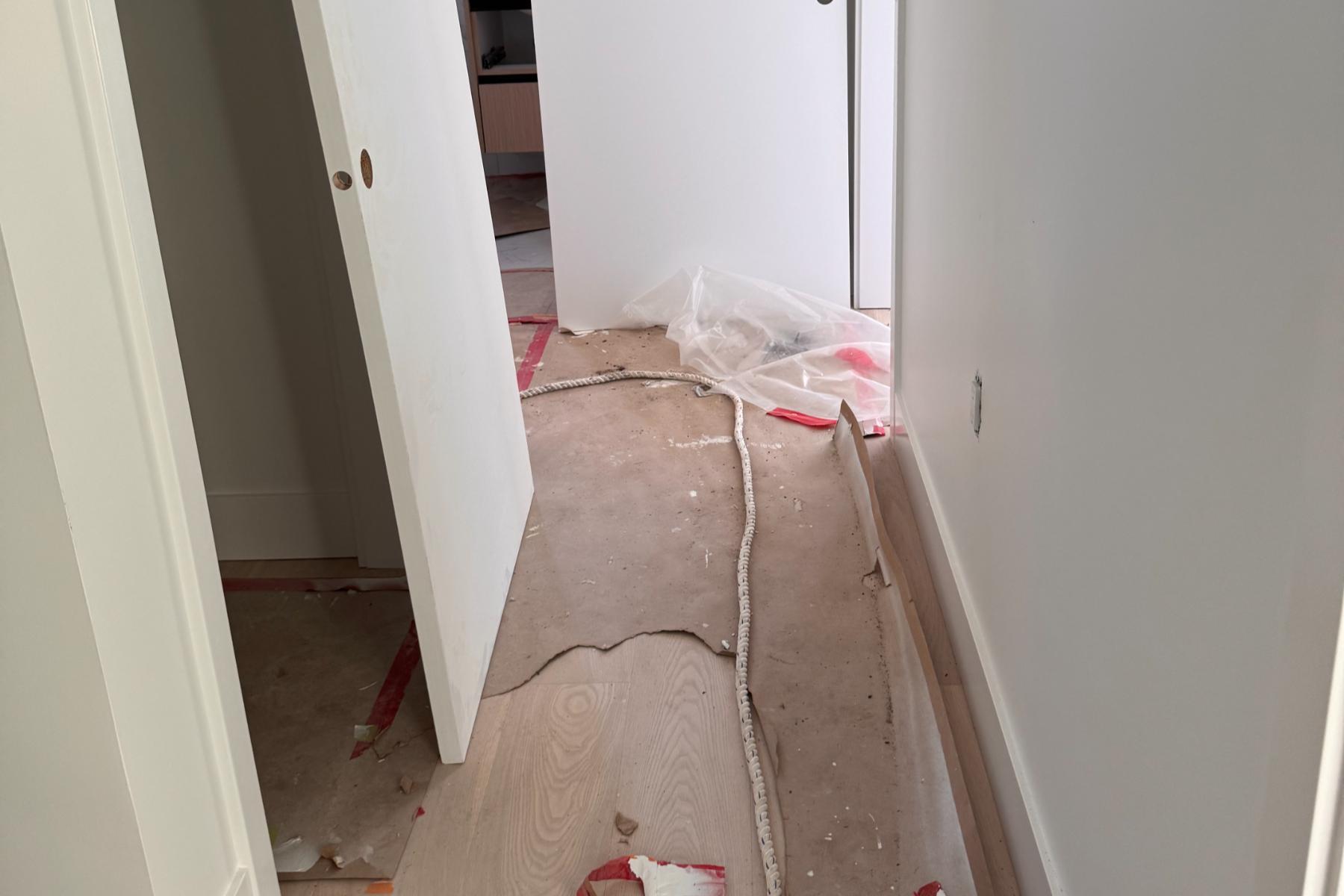
Rough cleaning happens soon after construction crews complete the major structural work. Workers focus on removing large debris such as drywall scraps, wood pieces, packaging, and other leftover materials scattered across the site. This stage clears pathways and work zones so remaining trades can move safely through the building while finishing their tasks. Crews also sweep floors, remove protective coverings, and gather loose trash from hallways and work areas. The goal is not perfection but preparation. Once the bulky waste disappears, contractors can inspect installations and move forward with flooring, painting, and trim work without obstacles blocking their progress.
Fine Cleaning Brings Glass, Counters, and Floors to Shine
Fine cleaning begins once construction activity slows and the interior takes its final shape. This stage focuses on detail work, including polishing glass, wiping countertops, and removing dust from fixtures and surfaces. Workers carefully clean areas that rough cleaning cannot address, such as inside cabinets, along window frames, and across finished flooring.
Cleaning crews also address smudges, adhesive residue, and construction dust that settles on every surface. Light reflects differently once these areas receive proper attention. The result transforms a work site into a space that actually feels ready for occupants, with clear windows, spotless counters, and floors free from the dull haze construction dust often leaves behind.
Rough Phase Clears Floors Before Finish Work Inspection
Contractors rely on a clean floor before they evaluate finished work. Rough cleaning removes nails, screws, scrap materials, and scattered debris that could damage flooring installations or create safety hazards. Clearing the ground also allows inspectors to walk the space without stepping over construction waste.
Once floors remain free from large debris, builders can examine walls, trim, and flooring more carefully. Clear pathways help inspectors focus on craftsmanship rather than navigating clutter. That simple preparation step often saves time because tradespeople can correct minor issues before the final stages begin.
How Fine Cleaning Targets Dust Left on Surfaces
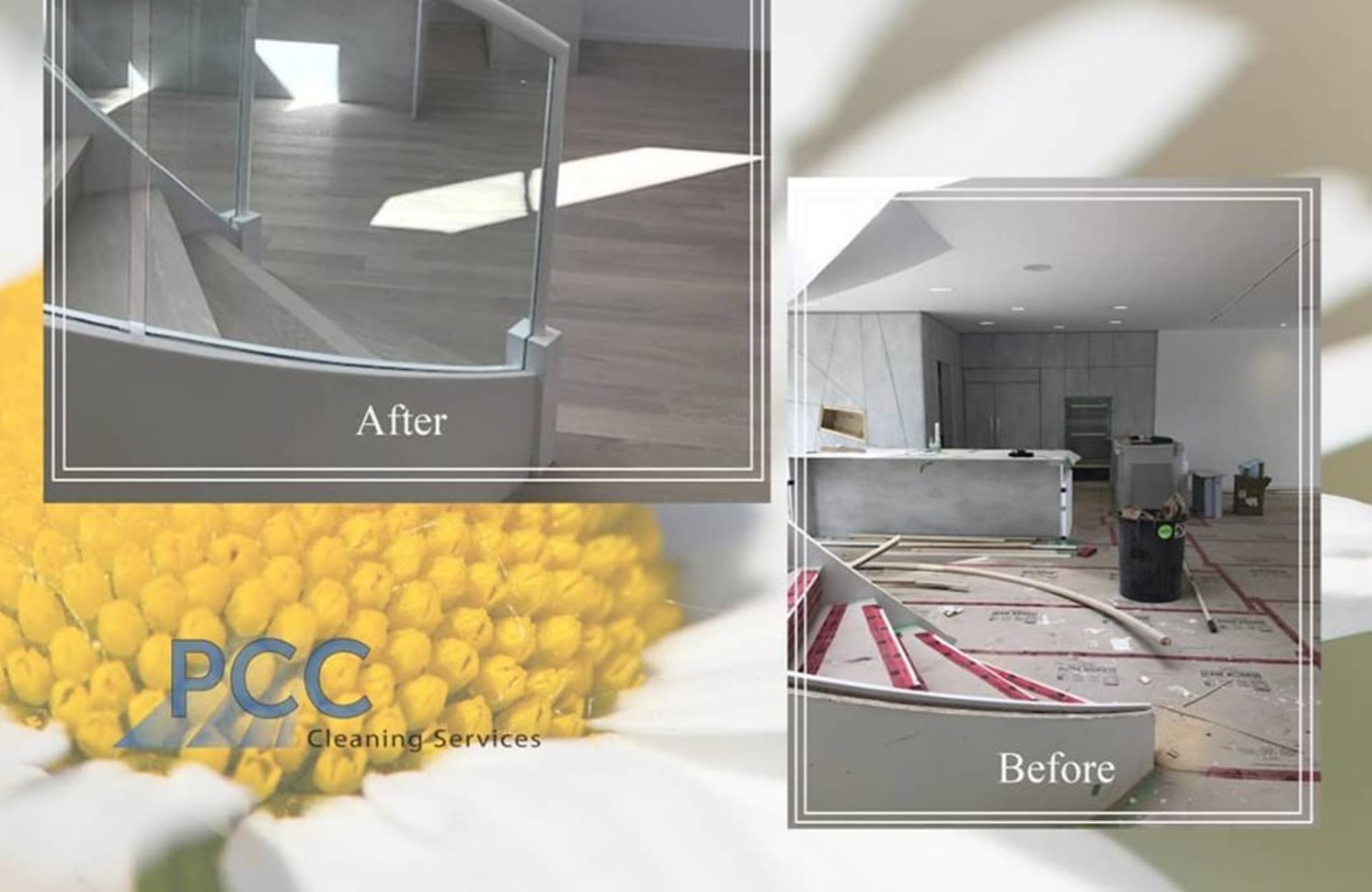
Construction dust travels far beyond the area where workers cut materials. Fine cleaning targets the thin layer that settles on shelves, vents, lighting fixtures, and baseboards. Even newly installed surfaces can collect dust particles that dull their appearance.
Workers use specialized tools and techniques to remove that buildup without scratching delicate finishes. Microfiber cloths, controlled vacuum systems, and careful wiping help eliminate residue from surfaces that rough cleaning leaves behind. Once the dust disappears, the room reveals its true colors and textures.
The Importance of Two Step Cleaning After Construction
Two separate cleaning stages exist for a reason. Rough cleaning handles the heavy work first so delicate surfaces do not receive damage from leftover debris. Removing large materials early protects floors, cabinets, and fixtures from scratches that could occur if debris remained during finishing work.
Fine cleaning completes the process by focusing on presentation. Builders and property owners want to see the finished project clearly, without dust or smudges distracting from the craftsmanship. The two-step approach keeps the site organized while helping contractors move through each stage of construction efficiently.
How Rough Cleaning Prepares a Site for Finishing Touches
Before painters, flooring installers, and cabinet specialists arrive, rough cleaning prepares the environment. Swept floors and cleared rooms allow trades to work without stepping around debris. Workers move materials easily, and equipment operates safely in the open space.
This preparation also prevents contamination of finished surfaces. Dust and scrap materials can interfere with paint adhesion, flooring installation, or trim alignment. By clearing the site early, the rough cleaning phase creates a better environment for those final details that give the project its polished look.
What Fine Cleaning Adds Before a Building Handover
Fine cleaning focuses on presentation just before the property changes hands. Property owners, tenants, or buyers expect to walk into a space that feels fresh and complete. Workers polish fixtures, remove tape residue from windows, and wipe surfaces that construction crews may have touched repeatedly.
Details matter during this stage. Light switches, door handles, vents, and interior glass receive careful attention so the building looks truly finished. Those final touches transform the environment from an active work site into a welcoming space ready for people to move in and start using it.
Why Contractors Schedule Both Cleaning Phases
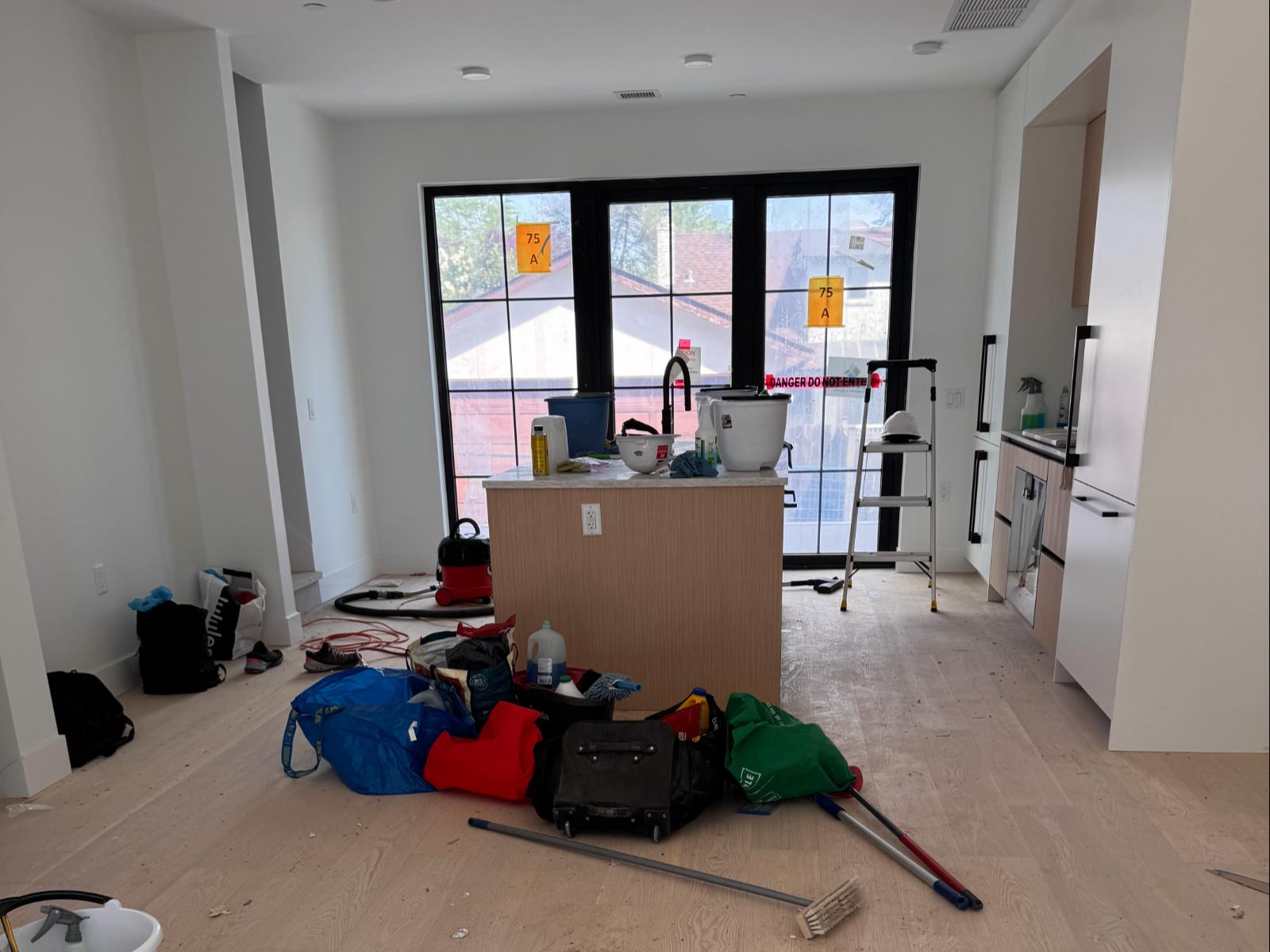
Contractors schedule rough and fine cleaning because construction rarely ends with a spotless building. Each phase serves a different purpose in the project timeline. The first clears the heavy debris that slows down work, while the second reveals the finished results.
Builders also understand that presentation affects client satisfaction. A project that looks clean and organized reflects the effort invested in the construction itself. By planning both stages, contractors ensure the building remains safe during construction and impressive when it reaches completion.
Bring Out the True Finish of Your Project with PCC Cleaning Services Professional Post Construction Cleaning
Construction work may end with the last nail driven or the final coat of paint applied, but a building rarely looks finished at that moment. Dust settles into corners, smudges appear on glass, and fine debris collects along baseboards, vents, and fixtures. PCC Cleaning Services focuses on removing every trace of construction residue so the space finally reflects the quality of the work that went into it. Our crews handle both heavy debris removal and detailed surface cleaning, ensuring floors, windows, lighting fixtures, and built-in features receive careful attention before anyone steps into the building.
A proper post construction cleanup requires more than a quick sweep. PCC Cleaning Services approaches each project with a methodical process designed to restore clarity and shine throughout the property. Our team removes stubborn dust from surfaces, polishes glass and fixtures, and carefully wipes newly installed materials so they look fresh rather than coated with construction residue. Contact us today to schedule professional post construction cleaning and let PCC Cleaning Services reveal the true finish of your project.