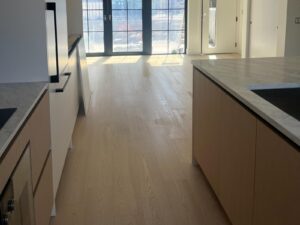
A finished renovation should smell like fresh paint, not damp wood. But in North Vancouver and West Vancouver, rainy weather can complicate the final cleanup. Dust settles in corners, scraps collect behind fittings, and wet materials can go unnoticed once the contractors leave. For homeowners worried about mold, cleaning promptly is part of making the finished space ready to live in.
Construction Dust and Debris Can Hold Moisture in Humid Conditions
Renovation dust gets into places a regular vacuum cannot easily reach. Drywall powder settles along window tracks and floor edges. When condensation or small amounts of water reach these areas, the powder can clump into stubborn residue. Damp debris makes it harder to tell whether the surface underneath has dried. Removing it gives homeowners a clearer view of the actual condition of the room.
Dust does not automatically cause mold, but leaving dirty, damp corners untouched creates avoidable problems. Crews may track rainwater inside on boots, or an open window may let moisture reach an unfinished sill. Dry sweeping can send fine particles back into the air, so careful vacuuming with suitable filtration and wiping surfaces with the right methods matter. The goal is to remove the mess without spreading it through freshly renovated rooms.
Damp Sawdust Left Behind Can Encourage Mold Growth
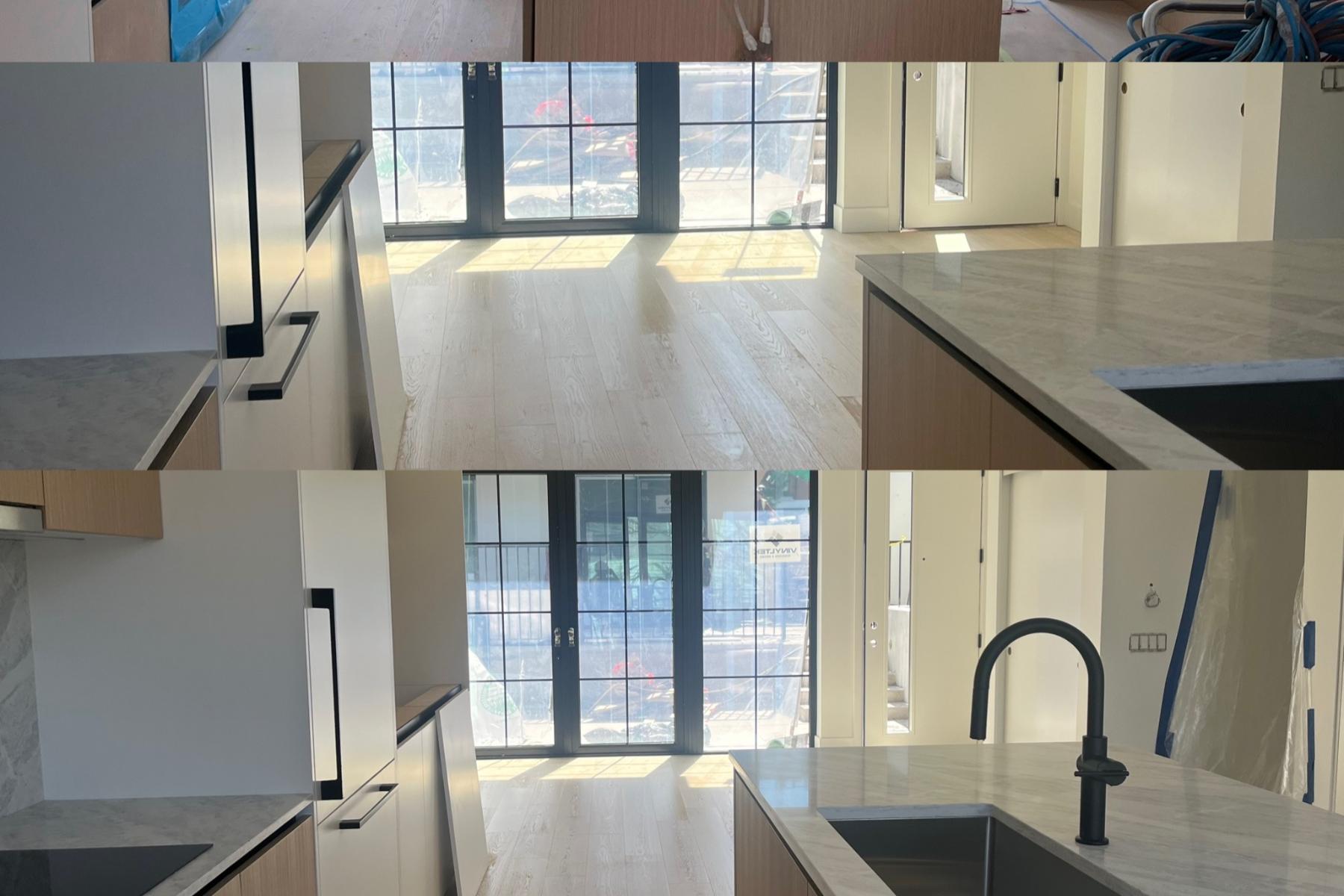
Carpenters cut trim, fit cabinets, and adjust doors throughout a renovation. Sawdust remains beneath workbenches, inside cupboards, and behind appliances. Unlike mineral dust, sawdust contains organic material that mold can use as food when enough moisture is present. A pile left against a damp wall or floor deserves attention, when rain has interrupted the work.
Homeowners should check cabinet corners, shelving joints, and the areas near newly installed sinks before unpacking their belongings. Sawdust can hide around pipe openings and beneath removable drawers, where a quick surface wipe will miss it. Removing loose material, checking for leaks, and letting damp surfaces dry are more useful than spraying fragrance over a musty smell. If wood or drywall is already moldy, a qualified professional should assess the damage.
North Shore Rain and Humidity Can Slow Down Drying After Renovations
On the North Shore, renovation schedules often run through long stretches of rain. Wet footwear, outdoor deliveries, and freshly applied products introduce moisture. Some paints, fillers, and adhesives also need adequate drying or curing conditions. Humid, poorly ventilated rooms can take longer to dry. A surface that feels dry to the touch may not tell the whole story.
Before booking the final clean, homeowners can ask their contractor whether new finishes have fully cured and whether any materials became wet during the job. A hygrometer can help track indoor humidity, while ventilation or a dehumidifier may support drying when appropriate. Cleaning should follow the manufacturer’s care instructions for new surfaces. Rushing wet mopping onto unfinished floors or sealing damp belongings inside cabinets can add moisture rather than solve the problem.
Moisture Can Build Up Behind Cabinets, Baseboards, and Fixtures
Fresh cabinetry and baseboards can conceal trouble spots. A minor plumbing drip behind a vanity might not show on the visible floor. Water that reached the wall before the trim went on can remain hidden if nobody checked the materials first. Cleaning teams can remove accessible dust around these installations, but only proper inspection can confirm whether concealed building materials are dry.
Look for swelling along cabinet bottoms, discoloured caulking, softened trim, or a persistent musty smell near a newly installed fixture. These signs do not prove mold is present, but they justify a closer look. Homeowners should have contractors address leaks and suspected hidden moisture rather than covering the area with fresh sealant. Once repaired, cleaning accessible surfaces helps restore the space.
Poor Airflow Makes Newly Renovated Rooms More Vulnerable to Dampness
During construction, workers sometimes close interior doors to control dust. Furniture, protective sheeting, and stacked materials can block vents or reduce air movement too. Those arrangements should not remain after the job ends. In a room with little airflow, damp materials may dry slowly, particularly near exterior walls and cold window frames where condensation can form.
After the renovation, clear blocked vents and make sure bathroom and kitchen exhaust fans actually vent outdoors. If weather permits, brief window opening may help, although bringing in very damp outdoor air is not always useful. A dehumidifier can be a better choice during persistent rain. Clean air grilles and vent covers where dust collects. Avoid disturbing ductwork or running dusty systems without appropriate professional advice.
Bathrooms, Kitchens, and Basements Need Extra Cleaning Attention
Bathrooms and kitchens combine water supply lines, drains, sealants, and cabinets in tight spaces. After a remodel, dust can sit around toilet bases, under sinks, and along new tile edges. A loose fitting or incomplete seal may reveal itself when fixtures are used. Clean, visible surfaces make early drips easier to notice. Check that grout and sealants have cured before washing them.
Basements bring different concerns, especially in hillside homes where walls may face damp soil. Boxes of leftover flooring, cardboard packaging, and timber offcuts should not remain piled against foundation walls. Those items can hide staining or trap moisture against a surface. Clear the floor perimeter, remove packaging, and inspect for damp patches before moving storage back. If water keeps appearing, the answer is drainage or waterproofing work, not a stronger cleaning product.
Delaying Post-Renovation Cleaning Can Make Moisture Problems Harder to Spot
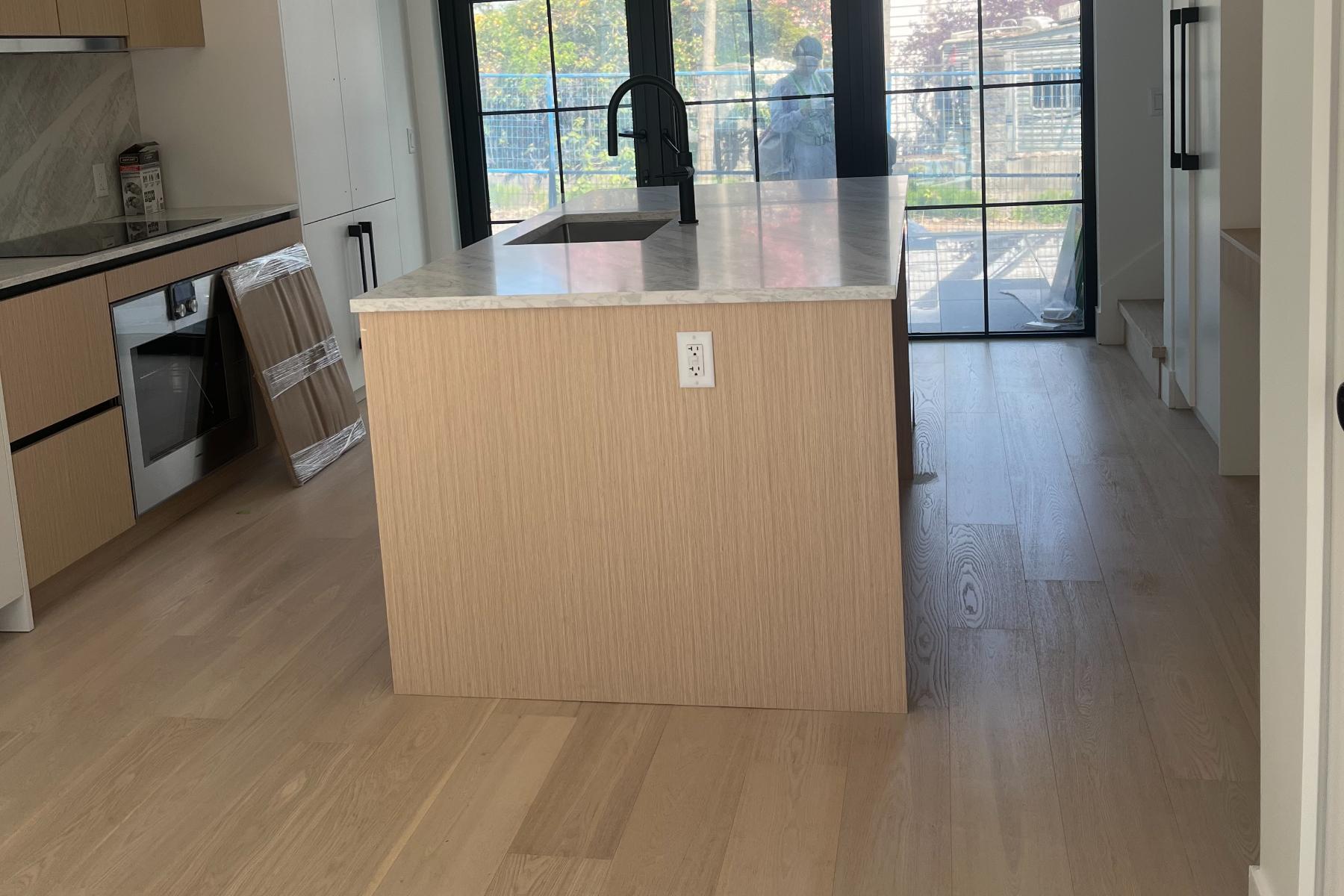
It is tempting to shut the door on a finished room and deal with the dust next weekend. Unfortunately, debris can cover the clues homeowners need to catch a small problem early. A damp patch beneath a sink is harder to notice under sawdust, and watermarks disappear behind stored paint cans. A timely cleanup exposes corners and edges while contractors still remember which areas were opened or repaired.
There is also a practical advantage to cleaning before furniture and personal items return. Empty rooms give cleaners better access to floors, fixtures, ledges, and cabinet interiors. Photograph suspicious marks before covering them with rugs or shelving. Cleaning cannot fix a leak or remove mold growing inside a wall. It does, however, make the visible space easier to inspect, maintain, and enjoy safely.
Give Your Renovated North Shore Home a Cleaner Start With PCC Cleaning Services
Don’t wait until construction dust and debris begin to build up or North Shore humidity makes the mess harder to clean. The longer these materials sit in corners, behind fixtures, and along floors, the greater the chance that moisture will complicate the cleanup. A freshly renovated home deserves attention before these problems develop. Hire us at PCC Cleaning Services for professional post-renovation cleaning in North Vancouver and West Vancouver. Our team will take care of the leftover dust, dirt, and debris so you can enjoy your newly improved space without the extra work. Contact us today to schedule your cleaning service.