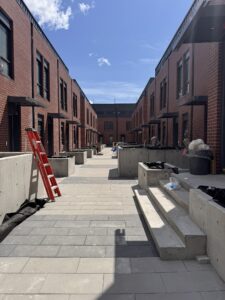
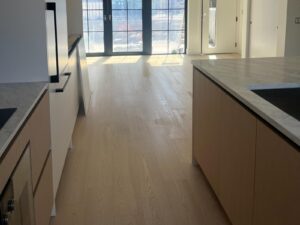
Fresh construction may look finished from a distance, but anyone who walks inside knows the job is not truly complete. Fine dust coats ledges, scraps hide in corners, and surfaces carry the marks of heavy work. Post construction cleaning brings order to that chaos through a clear, step-by-step process that prepares a building for safe use.
Phase 1: Rough Cleaning
Rough cleaning begins while crews are still wrapping up final details. This stage focuses on clearing out large debris such as wood scraps, drywall pieces, packaging materials, and leftover hardware. Workers sweep floors, collect trash, and remove anything that blocks safe movement through the space. The goal is not perfection. It is about creating a clean foundation for deeper work.
Teams also address obvious messes during this stage. We vacuum heavy dust piles, scrape off thick residue from floors, and clear adhesive blobs from surfaces. By removing the bulk of visible waste, rough cleaning reduces hazards and prepares every room for the next level of attention. It sets the tone for efficiency because smaller particles are easier to manage once the clutter disappears.
Phase 2: Light Cleaning (or Deep Cleaning)
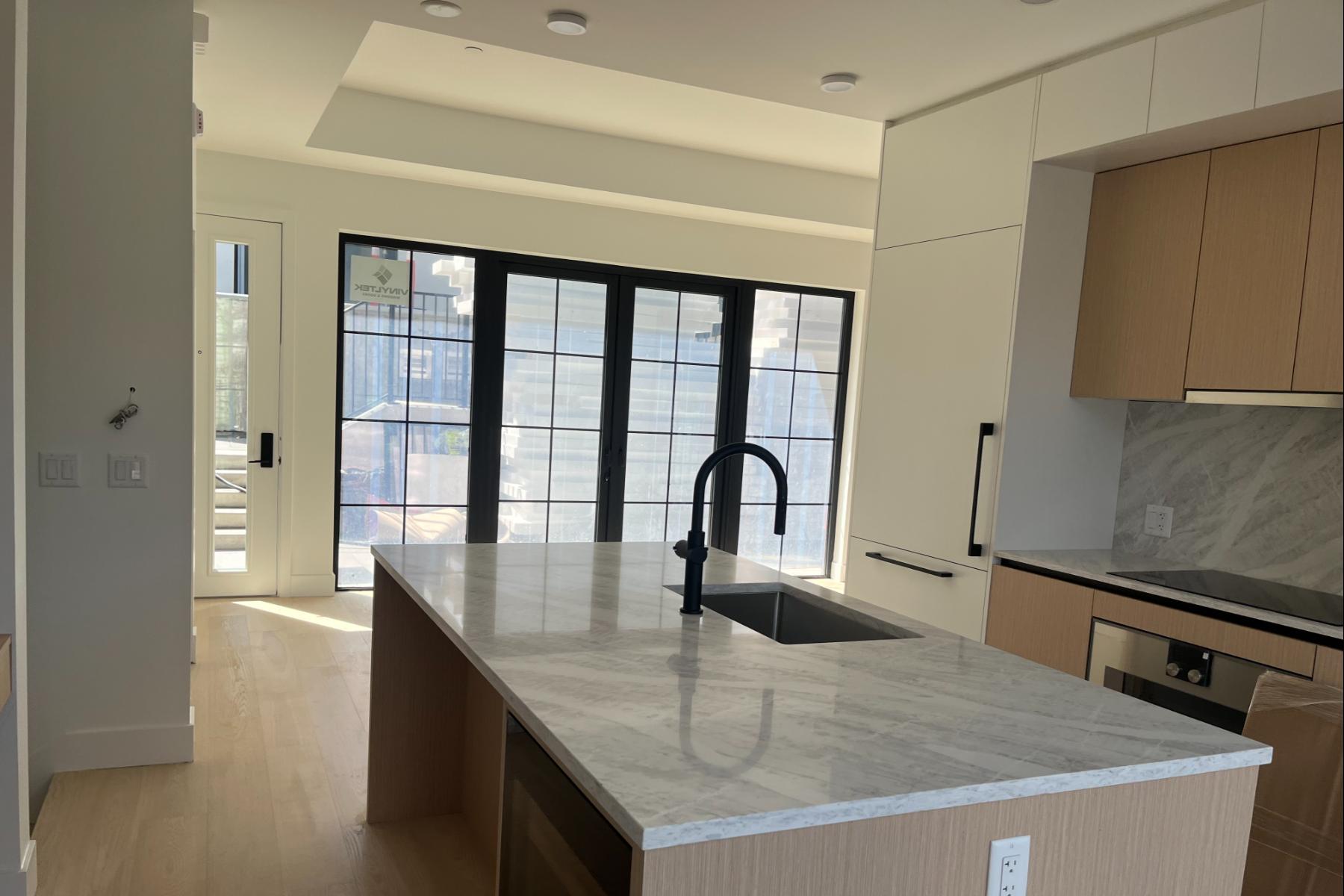
Light cleaning moves beyond debris removal and focuses on detail. Crews wipe down walls, cabinets, doors, and fixtures to remove the layer of dust that settles after sanding and cutting. This stage often surprises property owners because dust travels farther than expected. Even rooms that seemed untouched during construction usually carry a fine coating.
During this phase, teams clean glass, polish hardware, and scrub floors thoroughly. We pay close attention to edges and corners where particles collect. Light cleaning aims to remove the grime left behind after major work ends. It prepares surfaces for close inspection and ensures no residue interferes with final finishes.
Phase 3: Final Cleaning (or Touch-up Cleaning)
Final cleaning takes place just before the building opens to occupants. At this point, the space should look nearly complete. Crews return to address smudges, streaks, or footprints that appeared after earlier phases. We focus on presentation and precision.
This stage includes careful dust checks on vents, trim, and light fixtures. Workers polish reflective surfaces until they shine clearly. Final cleaning transforms a construction site into a welcoming environment ready for business or move-in day. Every small detail matters because this is the version people will see first.
Understanding Surface Prep Before Detailed Work
Surface preparation often determines how well cleaning efforts succeed. Before detailed work begins, crews examine materials to understand what we are dealing with. Painted walls, sealed wood, tile, and metal each require different approaches. Using the wrong product can damage finishes that contractors just installed.
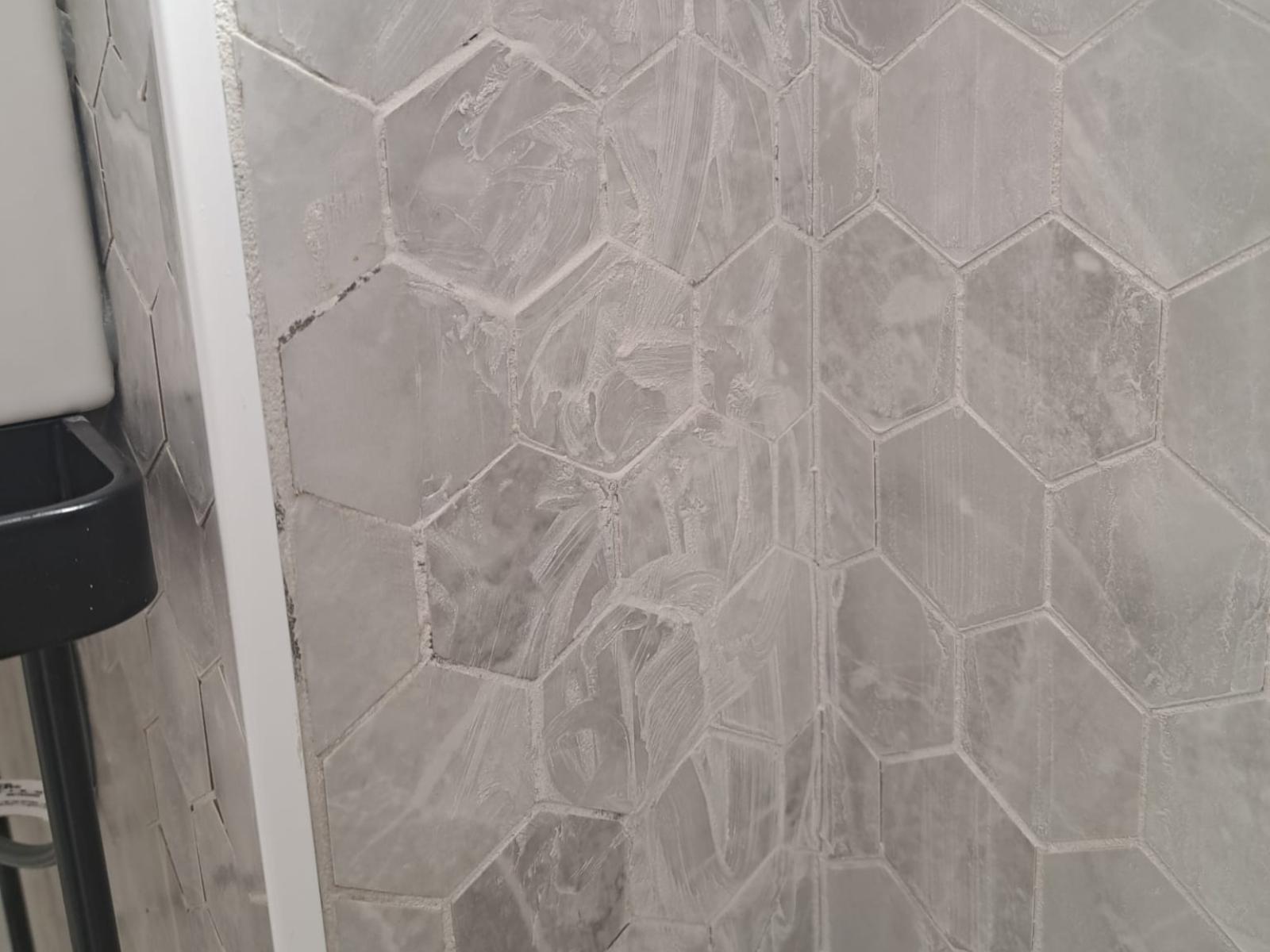
Preparation also includes testing small areas to ensure safe cleaning methods. We check for residue from adhesives or joint compounds that need special treatment. Proper surface prep prevents streaking, scratching, or discoloration. It protects the investment made during construction and ensures the space remains in top condition.

Why the Light Cleaning Phase Focuses on Dust Removal
Construction dust does not simply rest on surfaces; it drifts through the air and settles again after movement. Light cleaning gives special attention to dust removal because even a thin layer can affect indoor air quality. Crews vacuum carpets, wipe baseboards, and clean vents to reduce airborne particles.
Thorough dust removal improves comfort and safety. It helps prevent respiratory irritation for future occupants. This phase also clears the way for accurate inspections. Without dust, contractors can spot paint imperfections or minor repairs that need attention before turnover.
The Role of Deep Wipe Downs After Construction
Deep wipe downs eliminate residue left behind by tools and hands. Cabinets, countertops, and built-in shelving often show fingerprints and fine powder. Pros use appropriate cleaners to break down that buildup without harming finishes.
Beyond appearance, deep wiping protects surfaces from long-term wear. Dust and grit can act like sandpaper if left untouched. By removing these particles, cleaners help extend the life of flooring, fixtures, and furniture. It is a protective step as much as it is cosmetic.
Signs the Space Is Ready for Final Detailing
A space shows readiness for final detailing when large debris is gone and surfaces feel smooth to the touch. Floors no longer leave footprints in dust. Windows allow clear light to pass through without haze. These signals indicate that deeper cleaning has done its job.
Another sign appears in the air itself. A clean construction site smells neutral rather than musty or gritty. When light reflects evenly across surfaces and no visible residue remains, crews know it is time for finishing touches. Final detailing refines the environment until it looks polished and complete.
Bring Your Newly Built Space to Life with PCC Cleaning Services Professional Post Construction Cleaning
Construction crews build the structure, but cleaning teams reveal the finished product. PCC Cleaning Services handles every stage with precision, from rough debris removal to final touch-ups that leave each surface spotless. Our experienced staff understands how to treat delicate finishes while eliminating dust and residue left behind by heavy work.
A new building deserves more than a quick sweep. PCC Cleaning Services transforms raw construction sites into ready-to-use spaces that feel fresh, safe, and inviting. Contact us today to ensure your project ends with the clean, polished result it was designed to deliver.
FAQs:
1. What Is Included in Post Construction Cleaning?
Post construction cleaning typically includes debris removal, dust extraction, surface wiping, floor cleaning, window cleaning, and detailed polishing of fixtures. The service is performed in stages to ensure both heavy materials and fine construction dust are properly removed. The goal is to make the space safe, presentable, and ready for occupancy.
2. How Is Post Construction Cleaning Different from Regular Cleaning?
Post construction cleaning focuses on removing construction dust, adhesive residue, drywall particles, and leftover materials that standard cleaning does not address. It often requires commercial-grade equipment, specialized tools, and techniques designed for newly built or renovated spaces. Regular cleaning maintains a space, while post construction cleaning prepares it for first use.
3. How Long Does Post Construction Cleaning Take?
The timeline depends on the size of the property, the extent of construction work, and the level of detail required. Smaller residential projects may take one to two days, while larger commercial sites may require several days. The process often includes multiple phases to ensure thorough results.
4. Why Is Professional Post Construction Cleaning Important Before Move-in?
Construction dust can affect air quality and settle into HVAC systems, vents, and surfaces if not properly removed. Professional cleaning reduces safety risks, improves indoor air conditions, and ensures surfaces are free of debris and residue. It also allows contractors and property owners to present the finished space in its best condition.