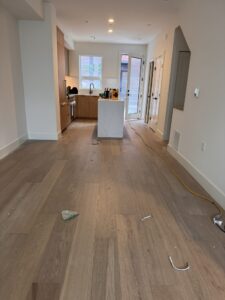
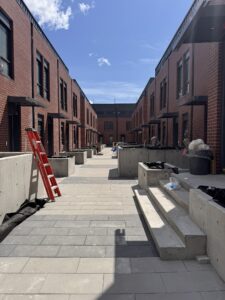
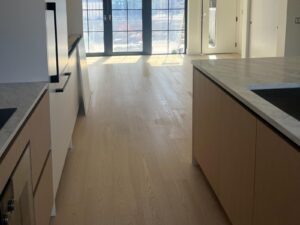
Final cleaning before handover should happen after construction work and major debris removal, with enough time left for inspection and any touch ups before the keys are released. It is the last thing a buyer or owner experiences before they take possession, and in our experience it shapes their first impression of the whole build. A coordinated clean at this stage clears fine dust, residue and construction marks from every surface the buyer will inspect, while protecting the new finishes your trades worked hard to install. Across our work with builders and developers in Metro Vancouver, from single family homes to the 29 three bedroom townhomes we cleaned at the York development by Listraor in South Cambie, the cleans that go smoothest share the same ingredients. The trades are finished, access is arranged, the scope is agreed in writing, and the schedule leaves room for a deficiency walkthrough and a return visit if repairs create fresh dust. This guide walks through everything a contractor needs to plan a handover clean that makes the build look as good as it is.
In this guide:
- Rough, final and touch up cleans
- What to have ready before cleaners arrive
- How project size affects time and scheduling
- The details buyers notice first
- Protecting new finishes and removing fine dust
- Strata rules and the deficiency walkthrough
- Budgeting and scheduling the clean
- Frequently asked questions
Rough, Final and Touch Up Cleans
A rough clean removes bulk construction debris and heavier dust during the build, a final clean prepares completed spaces for inspection or occupancy, and a touch up clean deals with marks or dust left after the final clean. Each stage has its own place in the project schedule, and mixing them up is one of the most common reasons a handover runs late. Rough cleaning happens after major construction phases, once the site is safe to enter and debris can be collected. It clears loose material and makes work areas more manageable while trades continue, but it does not create a finished presentation, because the next round of work will produce more dust and residue. The final clean follows completion of the trades and removal of construction debris. Our crews work through every room and fixture, clearing fine dust, cleaning interior glass and window tracks, wiping cabinet interiors and removing paint specks and sticker adhesive where the scope allows. A touch up clean is a short, focused return visit after a walkthrough or repair has affected finished surfaces, covering things like fingerprints, dust from a patch repair or a smudge on glass. We explain each stage in more depth in our post on the three phases of post construction cleaning.
What to Have Ready Before Cleaners Arrive
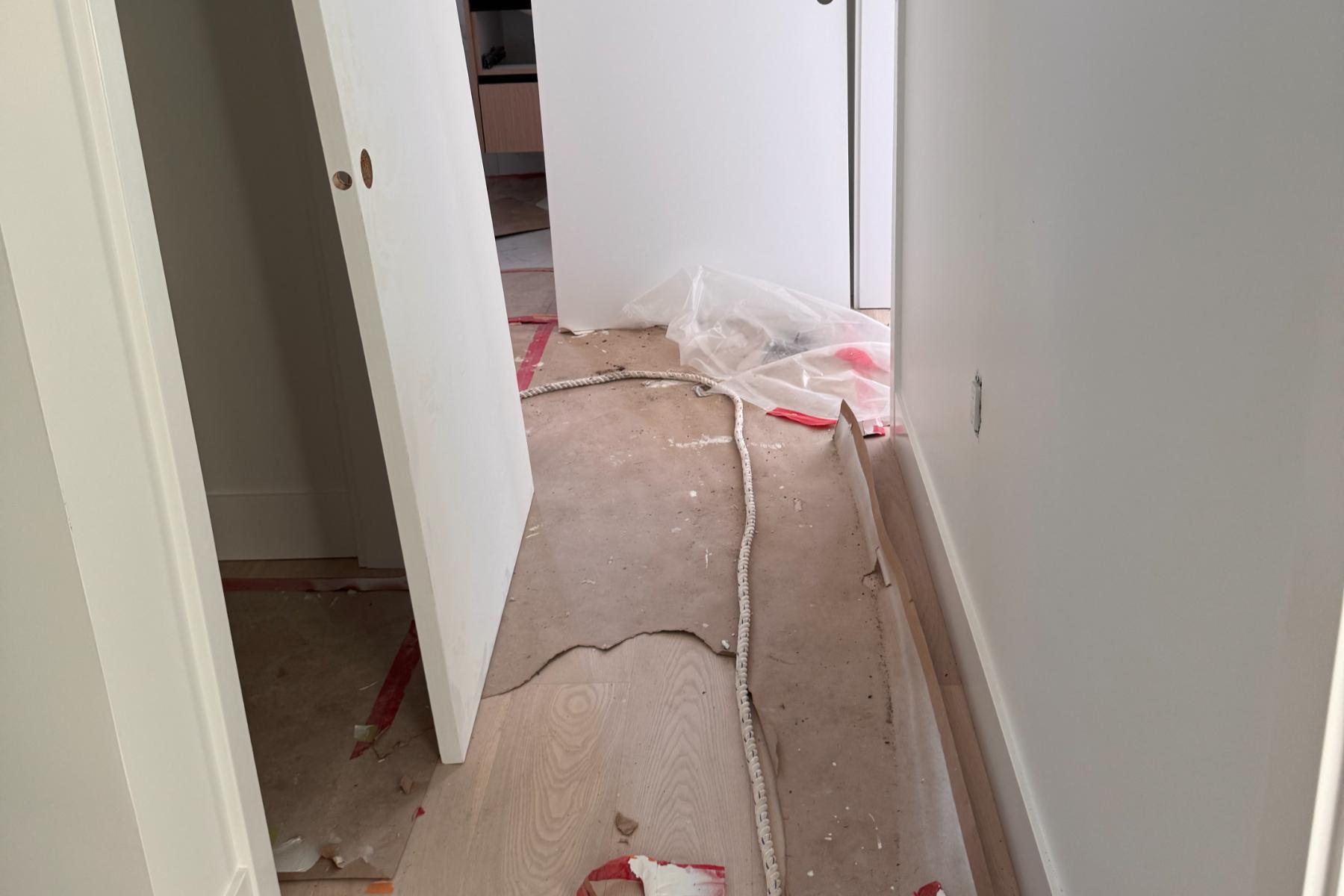
Cleaners need completed trade work, working utilities, cleared debris, confirmed access and an agreed plan for protective coverings before the scheduled visit. When these pieces are in place, crews spend their time on the finished surfaces buyers will inspect rather than working around unfinished areas. Confirm that trades have finished every area included in the clean, and that no remaining work will send them back through those spaces. Arrange removal of construction debris and make sure bins are placed or collected according to the site plan, since debris left in rooms limits access to floors, corners and fixtures. Keep power and water on so crews can run equipment and complete every task in the scope. Share access instructions in advance, including lockbox or site contact details, permitted work hours and any sign in process, and book the service elevator or loading access where building rules require it.
Protective coverings deserve their own conversation. Decide which coverings stay in place and which the contractor will remove, and identify delicate flooring, stone, coated hardware and recently installed fixtures before work begins. A written scope should list excluded areas, any surface specific restrictions, and how the contractor wants pre existing damage recorded, so nothing is confused at handover.
Here is the short pre clean checklist we share with builders:
- Trades finished: no painting, caulking or drywall repair planned in cleaned areas
- Debris cleared: bins removed and rooms free of offcuts and packaging
- Utilities on: power and water available in every unit
- Access confirmed: lockbox codes, site contact, work hours and elevator booked
- Protection plan: agreed list of coverings that stay and who removes them
- Written scope: included areas, exclusions and how existing damage is recorded
How Project Size Affects Time and Scheduling
Cleaning time grows with the number of rooms and units, the level of finish detail, site access and the amount of dust and residue present, so a single home, a townhome complex and a multi family building each need their own plan. For a single home, the crew can work through the property as one connected scope, with the time shaped by floor area, glazing, cabinetry and finish complexity. A townhome complex repeats unit layouts, which helps efficiency, but it also needs coordination around separate entries, shared routes and staggered completion dates. In a multi family building, unit turnover often overlaps with common area work, elevator bookings, security procedures and phased access. On our Brickwater project, an 80 unit condo building by Falcon Homes, and our Fleetwood Village project with 165 apartments, the cleaning schedule was built around the order in which units were released, so every crew arrived at a unit that was actually ready. When you request a cleaning plan, share floor plans or unit counts, the finish schedule and the expected handover date, and point out areas with extensive glass, built in storage, stone surfaces or detailed fixtures. A short site walk or a clear set of photos helps us resolve access and condition questions before the crew is booked.
The Details Buyers Notice First
Buyers notice visible residue and missed edges first, especially on glass, cabinetry, floors and fixtures they look at up close. Window tracks collect dust and small debris, while glass shows fingerprints, adhesive and paint specks the moment daylight hits it. Cabinet interiors are opened within minutes of a walkthrough starting, so confirm whether those spaces are included in the scope. Baseboards, corners and floor edges reveal fine dust that a quick pass through the room will miss. Light fixtures, HVAC vents and high ledges hold dust above eye level, and grout haze on tile or residue around newly installed hardware can draw attention in a bright bathroom. Our crews check every accessible surface with proper lighting and use cleaning methods approved for each material. A consistent room by room checklist helps the contractor and the cleaning team agree on what complete looks like, and any construction defects are recorded separately so cleaning notes never get mixed up with repair items.
Outside spaces and utility areas are easy to forget, but buyers walk through them too. Balconies and patios often hold sawdust, caulking drips and grout residue from the last trades, and sliding door tracks fill with grit that makes doors stick on the first day. Garages, storage lockers, laundry rooms and mechanical closets collect drywall dust and packaging that crews tend to leave for last. In townhome and multi family projects, buyers also judge the building by its shared spaces, so entries, hallways, stairwells and elevator cabs should be part of the plan. On our townhome projects, we treat each unit’s front entry and patio as part of the unit scope, because that is the first thing a buyer sees when they arrive for the walkthrough. Listing these areas in the written scope from the start avoids the awkward moment when an owner asks why the balcony is still dusty.
Protecting New Finishes and Removing Fine Dust
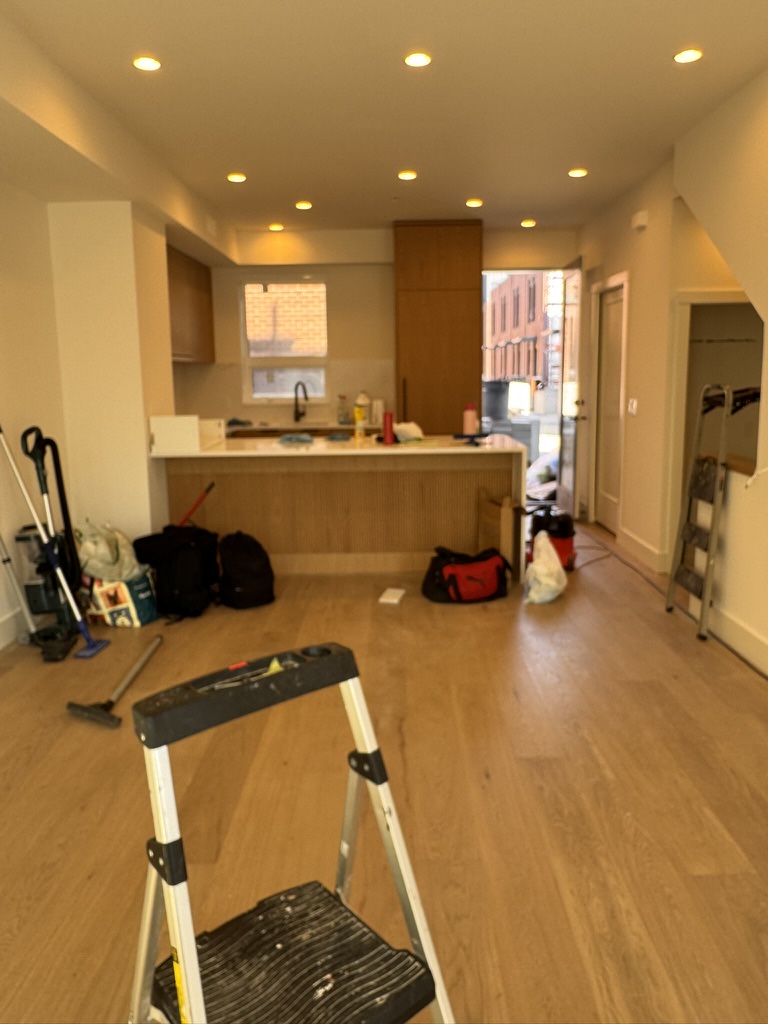
Crews protect new finishes by matching tools and products to each surface, using clean equipment and following the contractor’s care instructions. Hardwood scratches easily when grit is dragged across it, so loose debris is lifted before any damp cleaning. Stone and specialty finishes need compatible products, because the wrong cleaner can dull or etch a surface that cost thousands to install. New fixtures and coated hardware call for non abrasive tools and no harsh chemicals unless the manufacturer’s guidance allows them. Fine drywall dust needs controlled removal, and HEPA filtered vacuuming is central to how we handle it. Our crews work from higher surfaces down to lower ones, then vacuum floors and clean each surface with methods suited to the finish. Dust can settle again after nearby work or air movement, so the final inspection always includes ledges, vents and other horizontal surfaces. Keeping clean cloths and equipment separate from anything used in dusty or unfinished areas is a simple habit that prevents a lot of rework.
Strata Rules and the Deficiency Walkthrough
Strata requirements influence access, work hours, elevator use and protection of shared areas, while the deficiency walkthrough decides whether a targeted touch up is needed. Requirements vary from building to building, so contractors should request current instructions from the strata or property manager and check permitted work hours, elevator booking procedures, loading access, sign in rules and waste handling. Ask whether floor and wall protection is required along shared routes, and confirm who supplies and removes it. Our post on what Vancouver strata rules expect before move in covers these requirements in more detail. Plan the final clean after trades have finished the relevant units and common areas, and if the buyer walkthrough happens after cleaning, ask everyone to keep their shoes clean and limit unnecessary handling of finished surfaces. Repairs made after the walkthrough often create new dust, fingerprints or debris, so book a focused return visit once those repairs are done. Where a building turns over in phases, keep a record of which units have passed inspection and which still need work, so touch ups never disrupt completed areas.
Budgeting and Scheduling the Clean
The best place for the final clean in the project timeline is after the last dusty trade and before the buyer or owner inspection, with time left over for the walkthrough and any touch ups. When units are released in phases, schedule crews by completed area and confirm each unit is ready before its visit. Budgeting should follow the scope and site conditions rather than a guess. Ask for a defined list of included tasks, the unit or area assumptions behind the price, and the process for adding work if conditions change. That gives you a realistic allowance in the project budget and makes schedule changes easier to manage when the inevitable delay happens. Contractors who leave the clean until the last possible day tend to pay for it twice, once for the rushed clean and again for the touch ups after the walkthrough finds what was missed. We recommend booking the final clean as soon as you have a confirmed handover date, then confirming the exact day a week out, once the last trades are locked in. Working with a full time, in house team rather than a rotating group of subcontractors also helps, because the same crew learns your standards and carries them from one project to the next.
Frequently Asked Questions
When should the final construction clean happen?
After the last dusty trade has finished and construction debris has been removed, and before the buyer or owner walkthrough. Leave time after the walkthrough for a short touch up visit in case repairs create new dust.
What is the difference between a rough clean and a final clean?
A rough clean removes bulk debris and heavy dust while trades are still working. A final clean happens once the trades are done and prepares every surface for inspection, including fine dust, glass, window tracks, cabinets, fixtures and floors.
What should a contractor have ready before the cleaners arrive?
Finished trade work, power and water on, debris and bins removed, confirmed site access and elevator bookings, and an agreed plan for which protective coverings stay in place.
Do you use HEPA vacuums on post construction cleans?
Yes. Our crews use HEPA filtered vacuums to capture fine drywall dust before any wet cleaning, working from high surfaces down to floors.
Do you clean multi family buildings and townhome complexes?
Yes. Our full time, in house team has cleaned single homes, townhome complexes such as the York development in South Cambie, and multi family buildings with 80 to 165 units across Metro Vancouver.
A great handover clean is the finishing touch that lets your work speak for itself. Our full time, in house team has cleaned new homes, townhome complexes and multi family buildings across Vancouver, North Vancouver and West Vancouver, and we would be glad to help with your next project. Learn more about our post construction cleaning and book your final clean before handover.