New marble counters and hardwood floors can transform a finished property, but the wrong cleaning product can damage them before anyone moves in. Homeowners, builders, developers, and property managers often focus on removing dust, paint marks, and adhesive residue quickly. That rush can lead to cloudy stone, faded wood, deep scratches, or moisture damage. Proper post construction cleaning requires more than strong chemicals and hard scrubbing. It requires surface knowledge, careful testing, and the right tools for every material.
Acidic Formulas Etch and Permanently Dull Polished Marble Surfaces
Many common cleaners contain vinegar, citrus extracts, or other acidic ingredients. These products may work well on glass or ceramic tile, but polished marble reacts differently. Acid attacks the calcium inside the stone and creates pale, rough patches known as etching. These marks may look like water spots, yet wiping them harder only makes the damage more visible. Once etching occurs, regular cleaning cannot restore the shine.
Freshly installed marble faces an even greater risk because construction dust can hide its true condition. A cleaner may spread an acidic solution across the surface without noticing the reaction until the floor dries. By then, the polished finish may appear uneven or cloudy. A trained cleaning team checks the stone type first, selects a neutral formula, and tests it in a hidden area before treating the full surface.
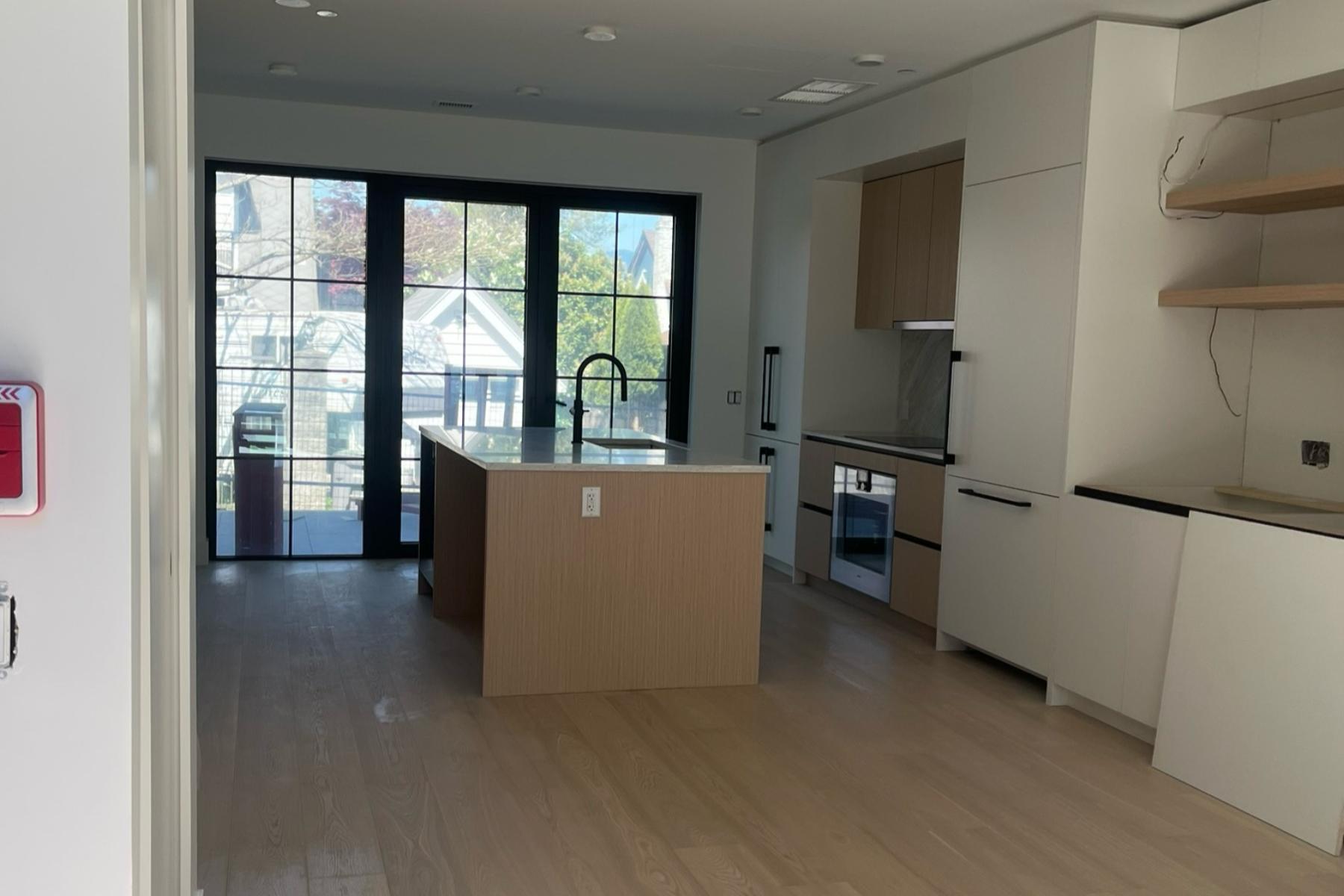
Heavy Duty Construction Detergents Strip Protective Hardwood Finishes
Strong detergents can cut through grease, paint residue, and stubborn dirt, but they can also break down the protective coating on hardwood. New floors often have a factory finish or a freshly applied sealant that needs gentle care. Harsh degreasers may remove its sheen, soften the coating, or leave light patches across high-traffic areas. The floor may look clean at first while losing the protection that guards it against scratches and stains.
Builders and property managers should also watch for products designed for concrete, machinery, or industrial spaces. These formulas can be too aggressive for residential wood surfaces. Safe post construction cleaning uses wood-approved solutions in controlled amounts. Cleaners follow the flooring manufacturer’s care instructions, especially when warranties depend on using approved products and methods.
Abrasive Scrubbing Pads Leave Micro Scratches on Soft Natural Stone
A stubborn spot can tempt someone to grab a rough pad and scrub with extra force. On marble, limestone, travertine, and other soft stones, that approach can leave hundreds of tiny scratches. Each mark may seem minor, but together they scatter light and make the surface look dull. Dark-colored stone often shows this damage more clearly, especially near windows or under bright ceiling lights.
Construction residue needs the right removal technique, not simply more pressure. Dried grout, paint specks, adhesive, and plaster may require plastic scrapers, soft microfiber cloths, or specialized stone-safe products. Skilled cleaners identify the residue before touching it. This step protects expensive finishes and prevents a small cleaning task from turning into a costly polishing or restoration job.
Excessive Moisture Warps and Buckles Freshly Installed Hardwood Floors
Wood absorbs moisture through its surface, edges, and seams. Flooding a new hardwood floor with water can cause the boards to swell, lift, cup, or separate. The problem may not appear immediately. A floor can look normal after cleaning and begin to warp days later as trapped moisture moves deeper into the material. Poor ventilation can make the damage worse.
A damp microfiber mop usually provides enough moisture for safe cleaning. Professional teams also change cloths often instead of spreading dirty water across the room. During post construction cleaning, we pay close attention to board joints, wall edges, and areas around doors where liquid can collect. Fast drying, steady airflow, and controlled product use help protect the floor’s shape and finish.
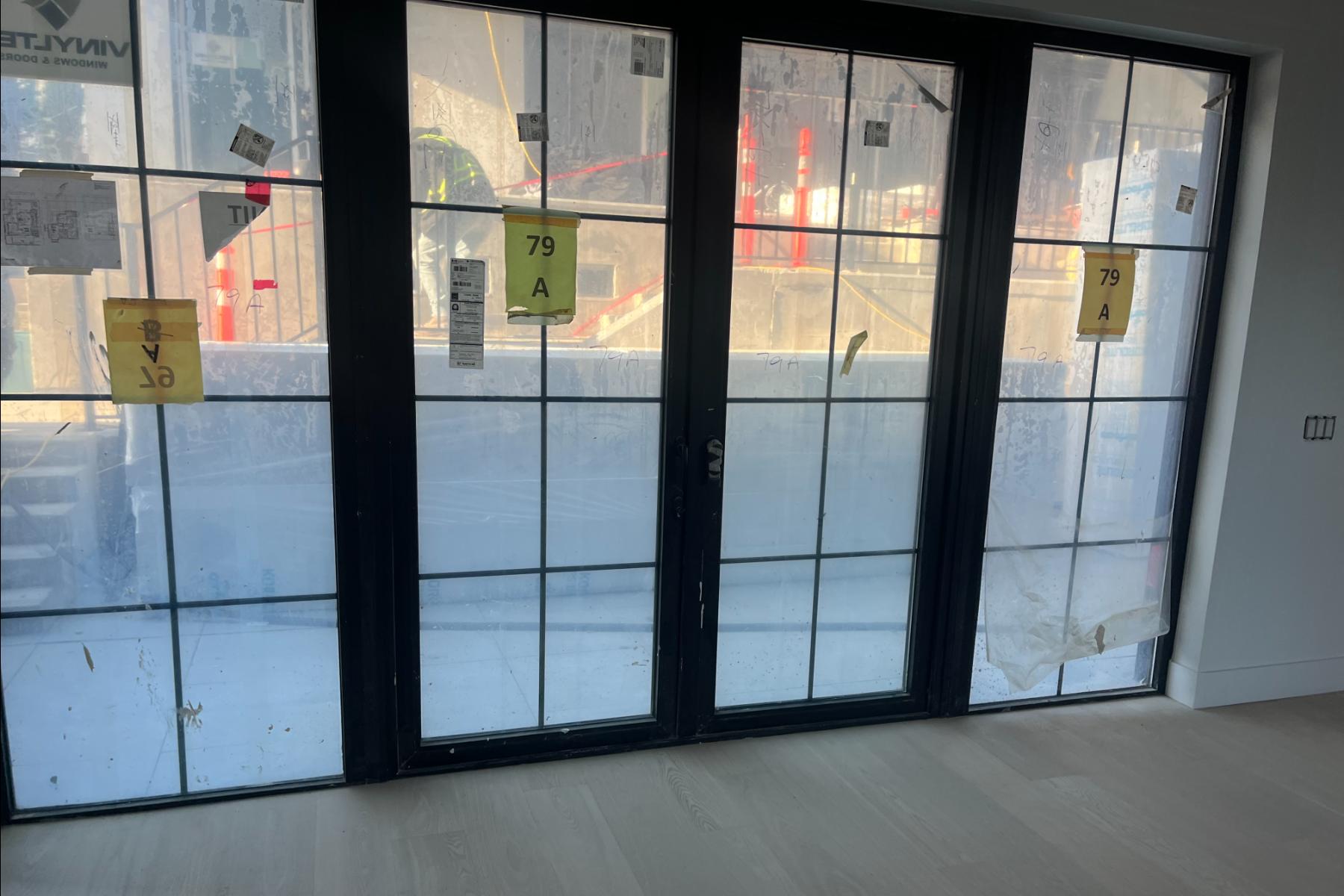
DIY Chemical Mixtures Trigger Unexpected Corrosive Surface Reactions
Mixing cleaning products may seem like a quick way to create a stronger solution, but household chemicals do not always work safely together. Some combinations release dangerous fumes, while others create corrosive liquids that damage stone, wood coatings, metal fixtures, and grout. Even two products labeled as gentle can react badly when combined in the same bucket or spray bottle.
Another problem comes from using unmarked containers. A worker may refill a bottle without recording what is inside, then apply it to the wrong surface. This simple mistake can leave stains, discoloration, or permanent finish damage. Professional cleaners keep products labeled, follow dilution instructions, and avoid improvised mixtures. We rely on proven methods instead of experimenting on newly installed materials.
High Pressure Washing Shatters Delicate Stone and Wood Grain Integrity
Pressure washing can remove heavy dirt from driveways and exterior walls, but it can damage softer building materials. A powerful stream may chip natural stone, widen small cracks, loosen grout, or force water behind tiles. On wood, high pressure can tear the grain, create rough lines, and leave deep grooves that become obvious once the surface dries.
Distance, nozzle type, pressure level, and material condition all affect the result. One setting cannot safely clean every area of a property. A careful post construction cleaning team inspects the surface before choosing a method. In many cases, low-pressure rinsing, soft washing, or hand cleaning gives better results without weakening the material or forcing water into hidden gaps.

Improper pH Balancing Leaves Chemical Residue That Attracts Deep Grime
A cleaner can remove visible dirt and still leave an invisible film behind. Products with the wrong pH may cling to the surface when cleaners use too much solution or fail to rinse properly. That residue feels sticky and attracts dust, shoe marks, and airborne particles. Floors then become dirty faster, which often leads people to apply even more product and build another layer of residue.
Marble and hardwood both benefit from carefully measured, surface-appropriate formulas. Cleaners should follow dilution ratios, use clean water when rinsing is required, and dry the area with fresh microfiber materials. A clean surface should not feel greasy, tacky, or overly slick. Proper pH control helps preserve the finish and keeps the property looking fresh long after the final walkthrough.
Protect Every New Surface with PCC Cleaning Services and Start Your Property’s Next Chapter the Right Way
New construction and renovation projects involve major investments in materials, labor, and design. The final cleanup should protect that work, not place it at risk. PCC Cleaning Services understands the care required for polished stone, sealed wood, delicate fixtures, and newly finished interiors. Our team uses suitable products, controlled cleaning methods, and detailed checks to prepare homes, offices, rental units, and commercial properties for turnover.
Whether you are a homeowner preparing to move in, a contractor completing a project, or a property manager getting a space ready for tenants, careful cleaning can prevent expensive repairs and delays. Trust PCC Cleaning Services to remove construction residue while protecting the surfaces that give your property value. Contact us to schedule a professional cleaning service and give your finished space the safe, polished handover it deserves.